Is deep-sea fishing from Port St Johns weather dependent?
Yes. The skipper will assess wind, swell, launch conditions, and safety before confirming an offshore plan.
Wild Coast Fishing Guide
An offshore day is about far more than picking a date: sea state, wind, swell, safety, and crew guidance determine when a Port St Johns charter is the right call.
Updated 28 October 2026
Departure area
Port St Johns
Trip type
Condition-led guided offshore fishing
Key variable
Safe sea and launch conditions
Best for
Anglers ready to keep the plan flexible
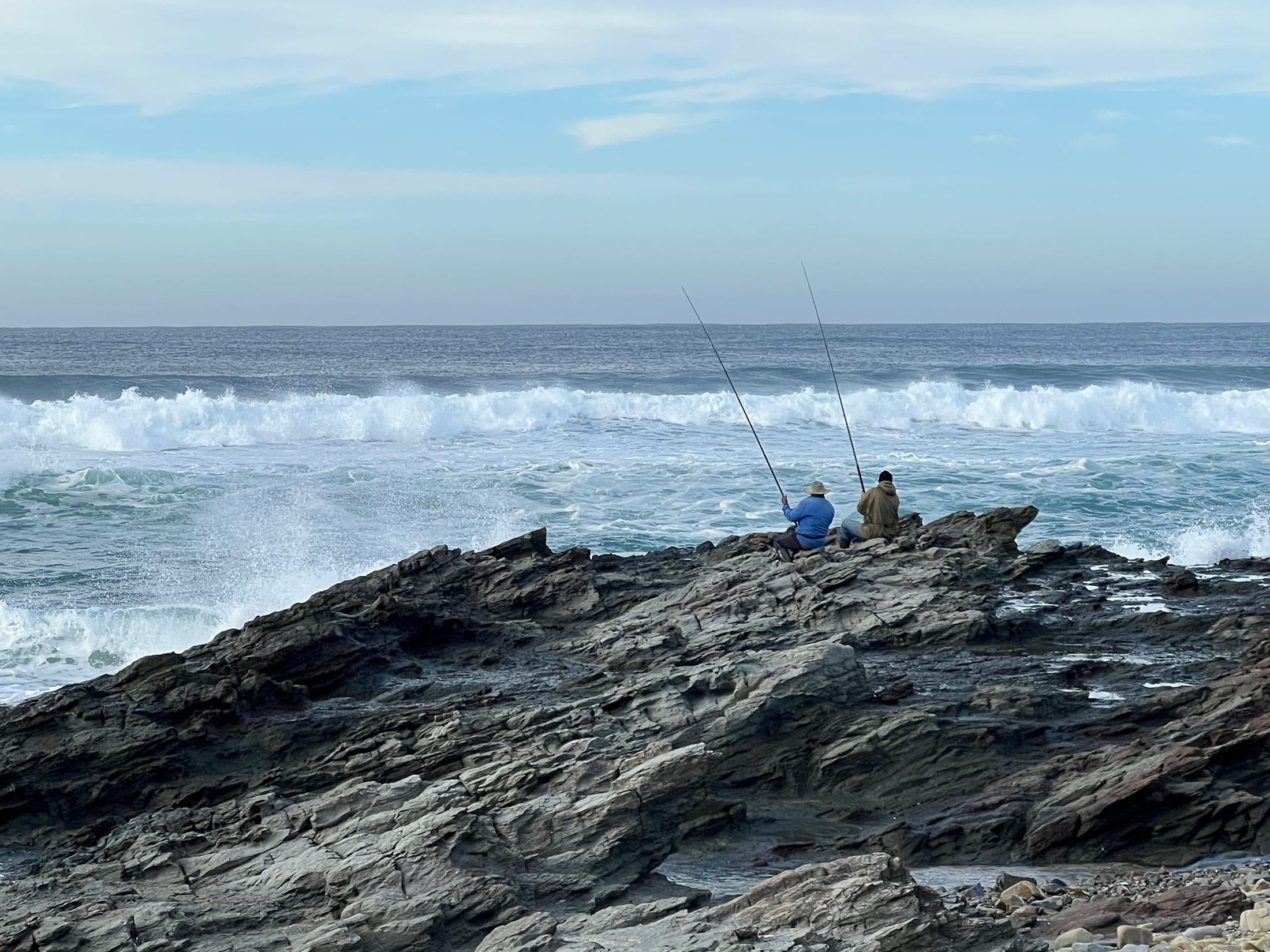
On the Wild Coast, the quality of the fishing day starts with a conservative view of the water. A responsible offshore plan follows the skipper’s safety judgement, which means wind, swell, visibility, and launch conditions take priority over a fixed itinerary.
A good charter day is organised around the best safe fishing window, not an artificial promise about the catch. The crew will guide the day’s practical rhythm, while guests should be ready for an early start, time on open water, sun exposure, and the possibility that conditions change the plan.
Deep-sea fishing is strongest for travellers who specifically want the offshore experience and can be flexible. If sea conditions are not right, in-shore or land-based options may be more sensible than forcing an offshore day.
Good Fit For
Planning Notes
Matching Tours
These are the current Wild Coast Tours experiences most closely aligned with this travel intent.
Related Guides
Questions Travellers Ask
Yes. The skipper will assess wind, swell, launch conditions, and safety before confirming an offshore plan.
The safest option is to follow the operator’s guidance. Depending on the itinerary, that can mean rescheduling or choosing a suitable land-based or in-shore alternative.
If the right answer is not one fixed tour, start with the closest route and then shape the details around your dates, group, and priorities.